

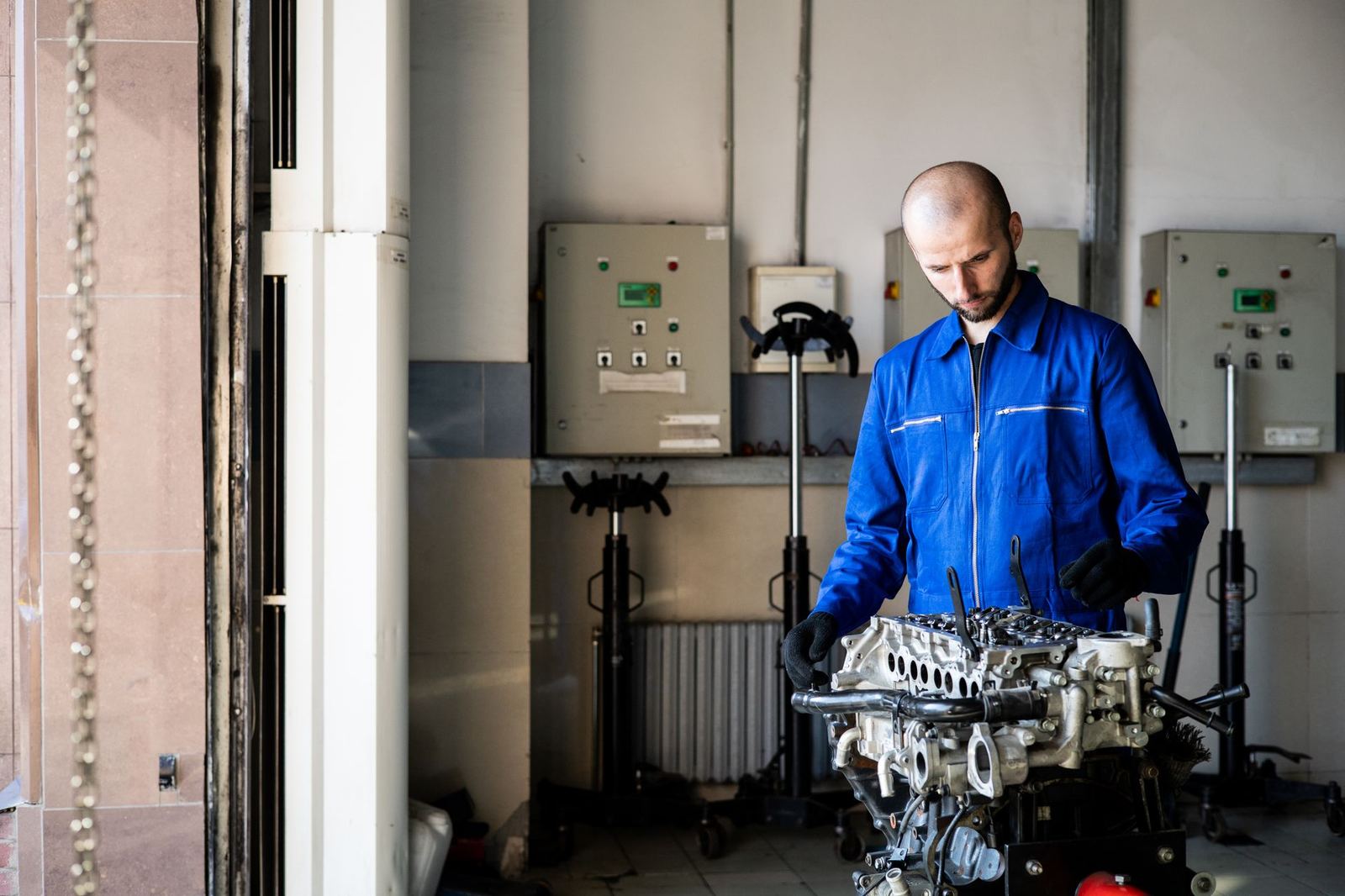
The 50% rule, device age, energy maths and board repair for the right decision.
When a household appliance breaks the first question is always the same: repair or replace? It is emotionally easy to say "let's buy a new one", but this decision should often be made with numbers. The practical framework below helps you make a choice that protects both your wallet and the environment.
The 50% rule
If the repair cost exceeds 50% of the price of an equivalent new device, buying a new one is usually more sensible. If the repair is under 30%, repairing is generally more economical. In the 30-50% zone, the age of the device is decisive.
Device age and expected life
- Washing machine: Average life 10-12 years. A bearing or pump fault under 8 years is worth repairing.
- Dishwasher: 10-12 years. Heater, pump and board repairs are economical.
- Fridge: 12-15 years. A compressor failure after 10 years may be a reason to replace.
- Boiler: 12-15 years. Heat exchanger or board replacement is worth it up to 8 years; beyond 12 years a new condensing unit saves energy.
- AC: 10-12 years. Gas refills and servicing are economical; in a compressor failure consider a new unit.
Energy efficiency maths
An old A+ fridge uses about 400 kWh a year, a new A-class about 150 kWh. At 3 TRY/kWh the yearly difference can be 750 TRY. For a 10-year-old fridge, buying a new one instead of an expensive compressor repair makes more sense when energy savings are considered.
A middle path for electronic board faults
A board fault alone does not end a device's life. Although a new board is expensive, repairing it in the workshop cuts cost by 60-70% and comes with a six-month warranty. In a board fault, ask for a repair quote before buying a new device.
Questions before deciding
- How old is the device?
- What percentage of the new price is the repair cost?
- Are you having a second fault in the same year?
- Are parts in stock and how long will repair take?
- How much energy will the new device save?
Honesty from a service company
A good service says so openly when repair is not sensible. We charge only the call-out fee for diagnosis from customers who do not go ahead with repair; for older devices we give a written repair-versus-replace cost comparison first.
For a quick first idea about your device, use our online diagnosis wizard, then book for a free repair-or-replace assessment.
Environmental impact
Manufacturing a washing machine causes roughly 300-400 kg of CO₂ equivalent emissions. Using the device for five more years significantly lowers both your budget and your carbon footprint compared with buying new.